
The Benefits of Incorporating

Recently, several church leaders throughout the Conference have inquired about the benefits of church “incorporation.” One major advantage of being incorporated is the church is allowed to borrow, own, and transfer property in the name of the church and does not have to submit a petition and order to the court for judges’ approval of conveyance and encumbrance of property. Upon incorporation, the property should be conveyed by deed from the trustees to the new incorporated church entity. When the church is applying for a loan, the process is shortened by weeks; especially since the court action is no longer required. In addition, members of the church have a shield of liability; whereby, they cannot be held personally liable for unlawful acts of other members.
In conversation with representatives from two incorporated churches, Pastor Tony Arnold, Executive Pastor, Christ Church in Fairfax, Virginia, and Roger Petersen, former Chair of the Board of Trustees, Oak Grove UMC in Chesapeake, Virginia, have shared their views of how incorporation has benefitted their churches:
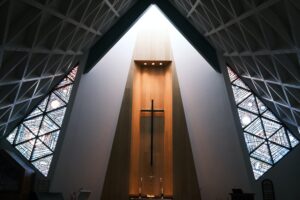 “Incorporation has benefitted Christ Church in several ways. As part of leadership’s push to embrace the ‘simple church’ paradigm, Christ Church embraced a one board model which has simplified the traditional structure of a United Methodist Church into a single board to oversee and manage the affairs and operations of the church. Incorporation aligns with this model very well and provides several benefits. One such benefit is the ability to steward our material blessings with large institutions such as PENFED and Freedom Bank that require the church be incorporated. This protects both parties and complies with their FDIC protections. The most compelling benefit of incorporation, however, is the simplicity it brings in today’s complex and litigious environment. This allows the church to focus on the mission of stewarding God’s resources well for God’s Kingdom.”
– Pastor Tony Arnold, Executive Pastor, Christ Church in Fairfax, VA
“Oak Grove UMC incorporated not long after Virginia finally permitted this option in 2006. While there was some legal paperwork required up front, the annual filing of papers required of Virginia corporations, the benefits certainly outweigh the initial administrative changes. Our Board of Trustees simultaneously serves as the Board of Directors, and our bylaws state that the Book of Discipline still governs issues regarding the operation of the church. The primary benefit for most of the years is the peace of mind and confidence that the incorporation provides much better protection to individual church members and leaders and their personal assets from liability for corporate debts and obligations, and limiting the liability of pastors, board members and other leaders from claims arising from alleged negligent or reckless acts of the church or its officers, directors or agents.
“We have also realized other benefits recently regarding the sale of real estate. The corporation owns and can transfer title to property in its own name, rather than through trustees or individuals. While we had no intention of selling any property, city officials came to us to purchase a sliver of property for a road improvement in front of the church. As an incorporated church, trustees are no longer needed for church corporations, and court appointment of such trustees is not required to hold, manage, buy, sell, transfer or encumber real property of the church corporation. The city was relieved to find we were incorporated, as that made the agreement to sell a far smoother process to accomplish, and frankly, the church polity for handling such matters is foreign to most lawyers, but they understand how to deal with corporations. The Board can designate two officers to sign for the sale agreement and the closing papers without court approval.”
– Roger Petersen, former Chair of the Board of Trustees, Oak Grove UMC in Chesapeake, VA
Before making any decisions to incorporate, you are recommended to obtain an experienced attorney to assist with the process. In closing, you are reminded that the church will still have to abide by the Discipline and have a Charge or Church Conference before initiating the process to incorporate.
By Randolph R. Shelton, VP, Lending & Capital Development